
Irwin Therapy
Samantha Irwin, RSW, MSW
I am a Registered Social Worker based in Toronto, providing virtual psychotherapy services to youth and young adults across Ontario.My approach is grounded in compassionate, client-centred, and trauma-informed frameworks. I believe therapy is a collaborative process where feeling heard, understood, and supported can create the foundation for meaningful healing and growth. Drawing from Emotion-Focused Therapy (EFT), Cognitive Processing Therapy (CPT), and other evidence-based approaches, I support clients in developing deeper self-understanding, building effective coping strategies, and creating meaningful change.

What guides my practice
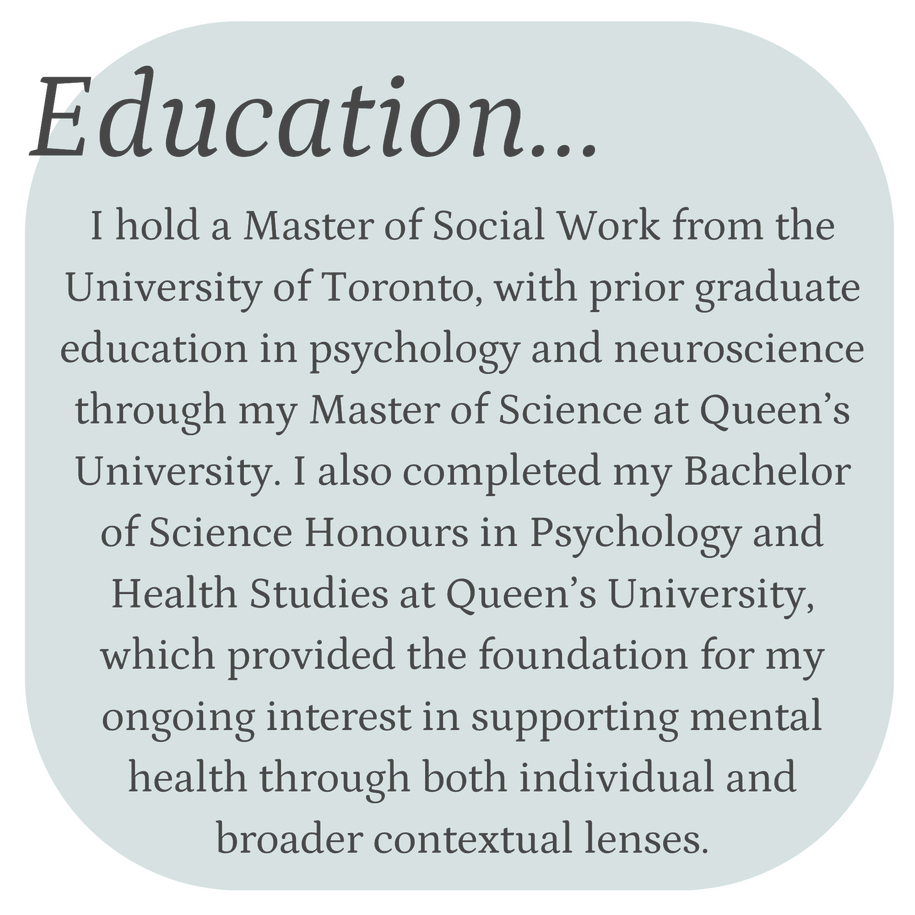
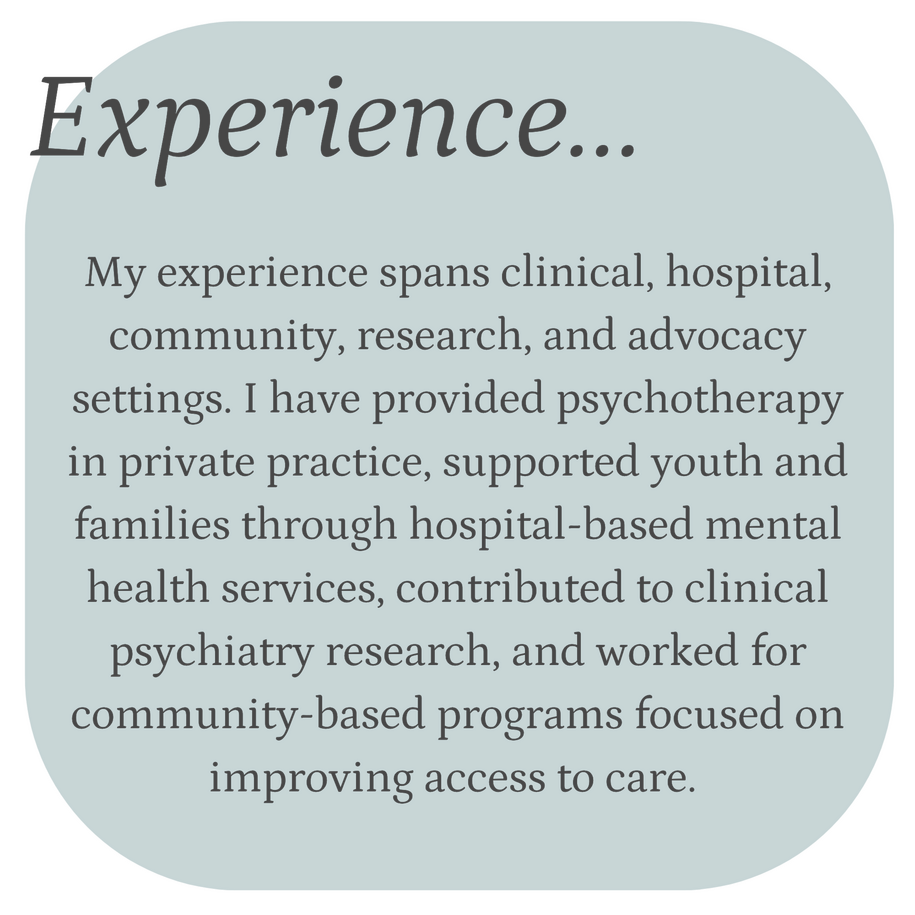
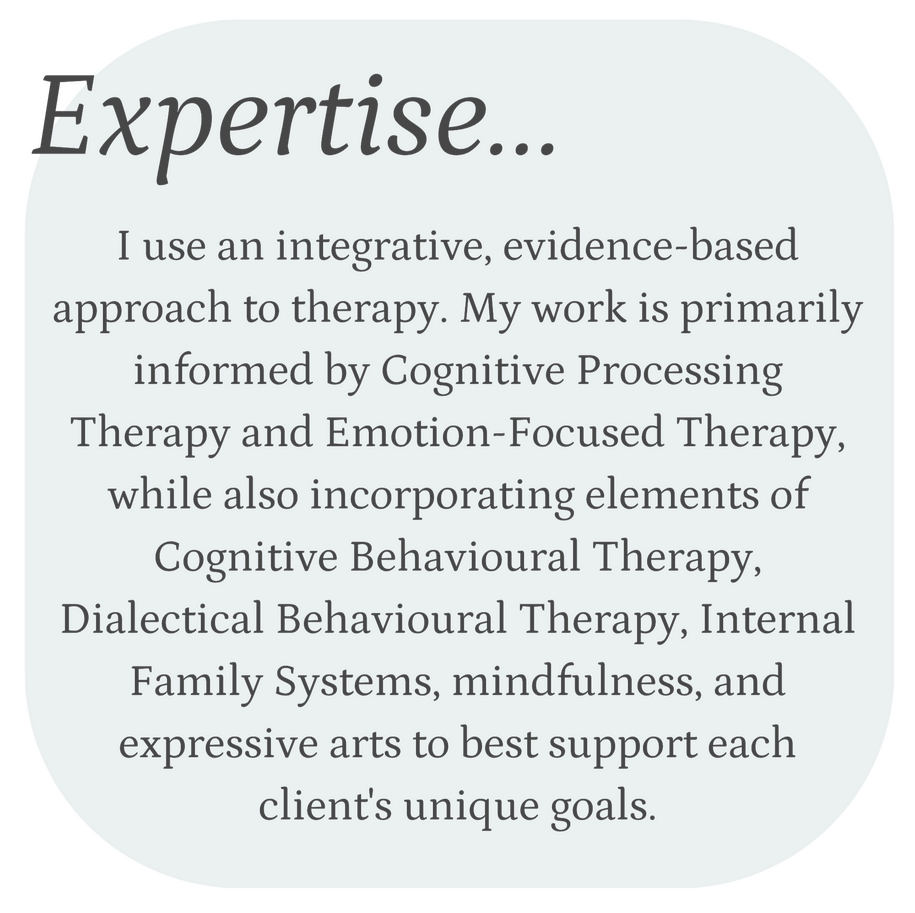
If you've found your way here, there's a good chance that something in your life feels heavy right now. Maybe you've spent years trying to understand yourself and still notice you're stuck in familiar patterns. Or perhaps you're simply exhausted from carrying more than anyone realizes. I strive to offer you a space to slow down, make sense of what you're experiencing, and begin moving toward meaningful change.
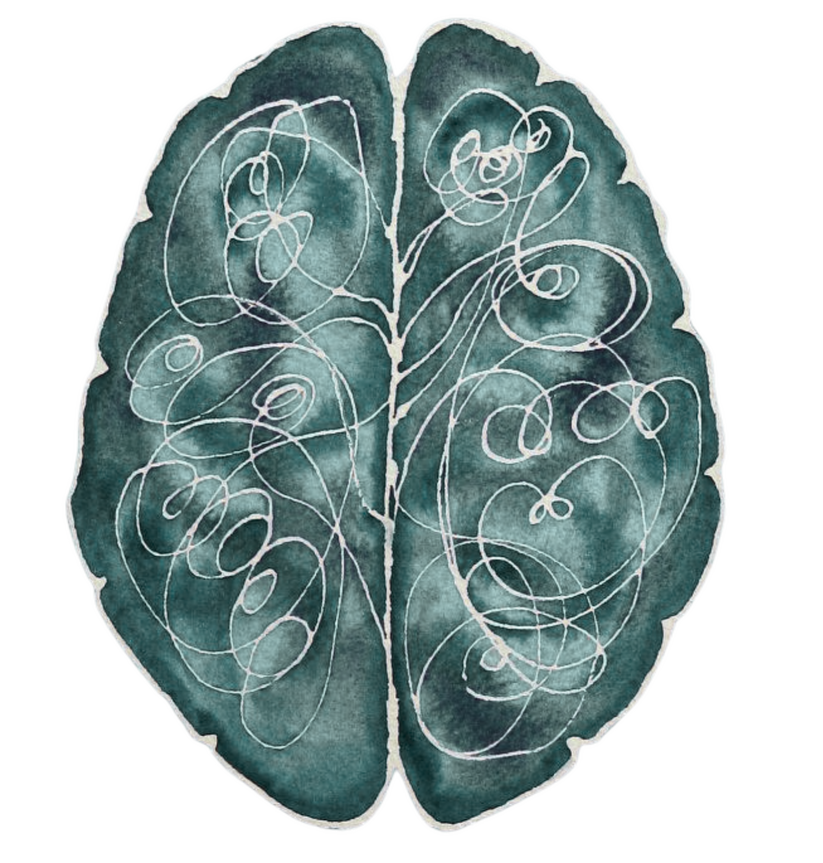
Before becoming a Registered Social Worker, I spent several years working as a neuroscience and psychiatry researcher at The Hospital for Sick Children and the Centre for Addiction and Mental Health (CAMH) in Toronto. These experiences gave me a deep understanding of how our nervous system, biology, and life experiences interact to shape the way we think, feel, and behave. When it's helpful, I enjoy bringing this perspective into therapy in a way that's practical, approachable, and easy to understand.But my years in psychiatry research also taught me something equally important: mental health is never just about the brain. Of course we are influenced by our biology, but also our identity, relationships, culture, family dynamics, trauma, and other lived experiences. I believe healing happens not only by understanding what's happening inside of us from a biological lens, but also by understanding the world we've lived in and the experiences that have shaped us.
Throughout my career, I find myself drawn toward working with young people during some of the most vulnerable periods of their lives. Much of my professional experience has centered around supporting adolescents and young adults navigating suicidality, self-harm, depression, emotional crises, and major life transitions, as well as the families and caregivers who support them. These experiences have shaped not only my clinical skills, but also my belief that even in life's most difficult moments, healing and hope remain possible.My commitment to this work is also informed by my own experiences of struggling with mental health as a young person. I understand how important it can be to find a therapist who sees you as more than just a set of symptoms or patterns to be changed. At times in my own journey, I found it difficult to feel fully understood when my experiences were approached through the lens of changing thoughts or correcting unhelpful thinking patterns, without enough space to explore the deeper emotional impact of what I was experiencing. I recognize how important it is for therapy to involve feeling seen, understood, and supported as a whole person beyond your current or prior struggles.While my own experiences inform the way I show up as a therapist, I recognize that your story is uniquely your own. You are the expert in your life and your experiences, and I believe therapy is a collaborative process where we work together to better understand what you have been through, what matters most to you, and what healing and growth look like on your terms.
My hope is that my personal and professional experiences allow me to help create a space where you are understood, your voice is valued, and you feel supported in moving toward a life that feels most fulfilling to you.
Creating Meaningful Change
My approach is grounded primarily in emotionally focused and cognitive processing therapies, while also drawing from dialectical behaviour therapy, internal family systems, mindfulness, and other evidence-based approaches when they fit your needs.
I am particularly drawn to these approaches because many of the clients I work with are already incredibly thoughtful, reflective, and highly self-aware. They've often spent years trying to think their way through processing difficult emotions, and understand why they feel the way they do. But despite all of that insight, they still don't feel better.
I believe healing isn't just cognitive, it's emotional, relational, and experiential.

Understanding our experiences cognitively does not always mean we have had the opportunity to emotionally process them, develop new ways of responding, or build a different relationship with ourselves. Therapy can mean creating a safe and supportive space to experience emotions differently, explore the beliefs and patterns that have shaped you, and develop a kinder, more compassionate relationship with yourself.
Although I have preferred therapeutic approaches, I don't believe the same model is appropriate for every client. Some sessions might be structured and goal-oriented. We may work through a specific exercise, explore a recurring pattern, or practice a new coping strategy. Other days, you may simply need a space to slow down, vent, cry, laugh, or make sense of something difficult. Rather than following a rigid manual, I draw from different approaches based on your goals, your strengths, and what feels most helpful in the moment.
We will always move at the pace that feels right for you. Please click on the therapy modalities above to learn more about what these approaches involve.
Emotionally Focused Therapy
Emotionally Focused Therapy (EFT) is an evidence-informed approach that emphasizes the role of emotions, relationships, and attachment in our mental health. EFT helps us understand emotional patterns, explore the protective responses we develop over time, and uncover the deeper needs and experiences that shape how we relate to ourselves and others.In therapy we slow down and pay attention to what emotions are communicating; where they come from, how they show up, and what they may be trying to tell us. Rather than avoiding difficult emotions or becoming overwhelmed by them, we work toward developing a more compassionate and supportive relationship with your emotional experiences.Many of us learn to cope with difficult emotions by pushing them away, overthinking them, or trying to stay in control. EFT creates space to gently reconnect with these emotions and develop new ways of responding with greater understanding and flexibility.This approach can be especially helpful for people who have a strong understanding of their thoughts and patterns but still feel emotionally stuck. Together, we work toward building greater self-awareness, emotional resilience, and a deeper sense of safety and connection with yourself and others.
Cognitive Processing Therapy
Cognitive Processing Therapy (CPT) is an evidence-informed approach that helps us explore how difficult or painful experiences can shape the beliefs we hold about ourselves, others, and the world around us. When we experience overwhelming or traumatic events, we may develop core beliefs that once helped us cope but can later leave us feeling stuck, such as “I’m not good enough,” “I can’t trust anyone,” or “everything is my fault.”Many people who seek therapy have already spent a lot of time trying to make sense of what happened and why they feel the way they do. CPT can be especially helpful when painful experiences continue to shape how you see yourself or the world, even when you logically understand what happened.In therapy, we gently explore painful core beliefs, where they come from, and how they may continue to influence your emotions, relationships, and sense of self. Rather than dismissing or forcing yourself to “think positively,” CPT helps us develop a more balanced and compassionate understanding of your experiences and how you perceive yourself in the world.Together, we work toward creating new perspectives, reducing the impact of painful beliefs, and developing a greater sense of self-compassion and empowerment.
Dialectical Behaviour Therapy
Dialectical Behaviour Therapy (DBT) is an evidence-informed approach that focuses on building skills to better understand, manage, and respond to difficult or intense emotions. DBT is grounded in the idea that two things can be true at the same time. For example, we can recognize that our emotions and coping strategies make sense in the context of our experiences, while also exploring new ways of responding that better support our goals and wellbeing.Many people who seek therapy feel frustrated by the intensity of their emotions or find themselves reacting in ways that do not align with who they want to be. DBT can be especially helpful for learning how to create space between an emotion and a response, while building greater confidence in your ability to cope.In therapy, we may explore skills related to emotional regulation, distress tolerance, mindfulness, and communication. These tools can help you better understand your emotional responses, navigate overwhelming moments, and develop more intentional ways of coping with challenges.Together, we work toward developing a stronger sense of emotional awareness, self-compassion, and flexibility, helping you respond to yourself and your experiences with greater understanding and care.
FREQUENTLY ASKED QUESTIONS
If you’re interested in starting therapy or would like to learn more about working together, please feel free to reach out by email or use the online booking feature to schedule a free 15-minute consultation appointment. I look forward to connecting with you and answering any questions you may have.